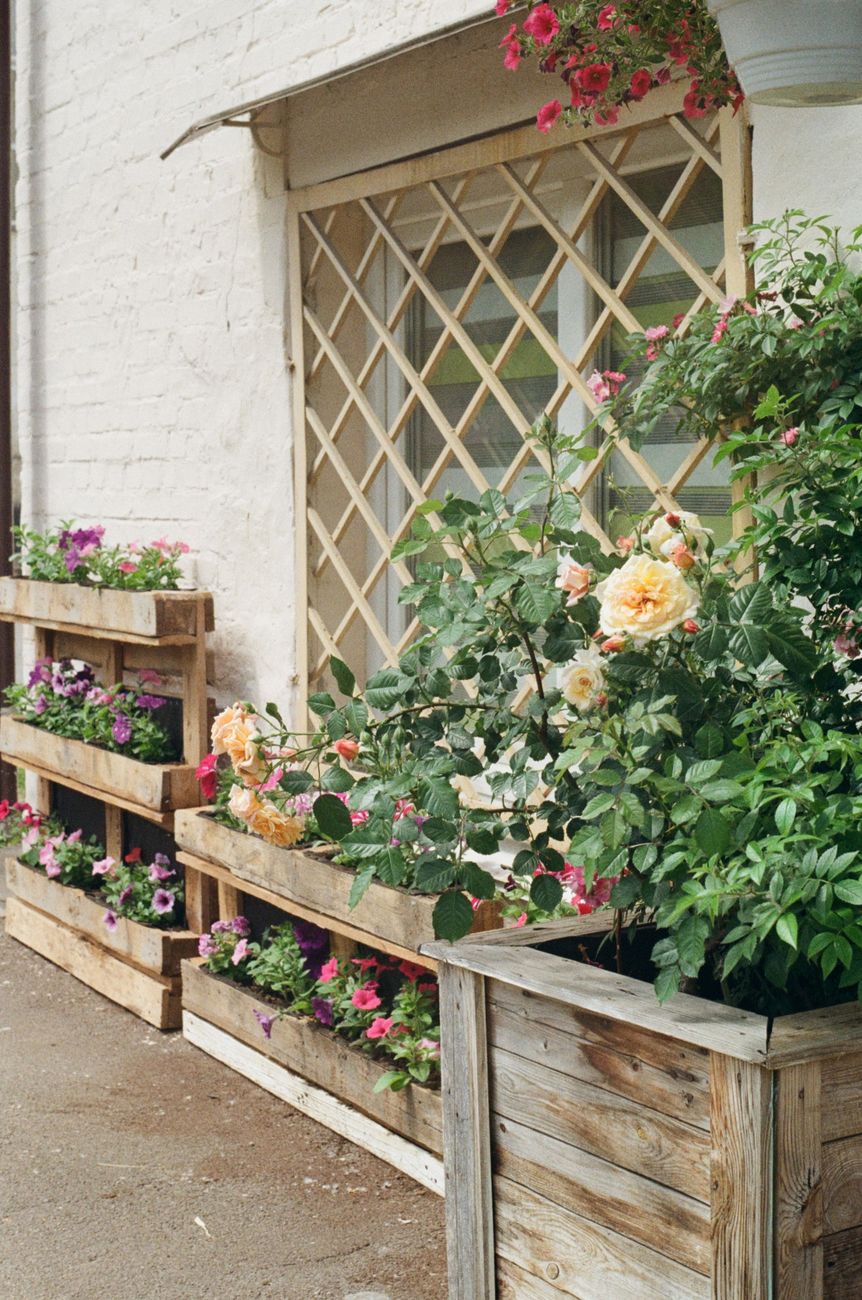
We already have two raised beds in the garden. We bought them a few years ago, during the Pandemic, when growing our own vegetables seemed like a very sensible thing to do. They’re both six feet long by four feet wide and were positioned on the lawn beside the garage, with enough space between the beds and between the beds and the garage to get the lawn mower through.
They’ve actually been pretty successful. We were very successful with courgettes – possibly too successful, given the amount of time we spent trying to find new and inventive ways of using them or giving them away to friends, family and colleagues. Potatoes, broad beans, onions and garlic also did well. Broccoli, on the other hand, was essentially a catering service for caterpillars, while carrots, beetroot, peas and leeks were rather less impressive.
I’m not giving up on the failed vegetables just yet. One of the advantages of having ChatGPT involved in the garden design is that I can now ask it what might have gone wrong, work out where I might have been going wrong and, potentially, have another go. Whether the vegetables will be impressed by this new level of planning remains to be seen.
Making the beds work harder
As part of the new garden design, the raised beds are going to move.
Rather than sitting in the middle of the lawn with strips of grass to mow around them, we’re planning to move them alongside the garage. This makes much more sense as part of the overall layout: the lawn becomes a larger, more useful open space, while the vegetable growing area gets a proper home along the garage wall.
We’re also planning to add another tier to the beds. That will make better use of the available space and give us the opportunity to grow vertically as well as horizontally, particularly with climbing crops. It also ties in with the wider garden design we’ve been working on with ChatGPT, where the garage wall becomes part of the growing space rather than simply being something to look at.
Of course, once you’ve decided what you want to build, you need to work out how to actually build it.
Time to buy some wood
The existing raised beds are still perfectly good, so there seemed little point in replacing them. What I needed was some additional timber and posts to create the new tier and adapt the existing beds to their new position.
Luckily, I still had the details of the original supplier. When I checked their website, they appeared to offer all the individual components needed, so I contacted them to find out exactly what I would need.
After a bit of email to-ing and fro-ing, I now have the list of additional timber and posts required.
Which means the raised bed has gone from being an idea on the garden plan to something I can actually start building.
That’s quite satisfying.
The plan is to get everything ordered this week and, hopefully, have the beds moved into their new position by the end of September. Assuming, of course, that the weather, the garden, the timber supplier and my enthusiasm all cooperate.
Autumn is going to be busy
The raised beds aren’t the only part of the garden that’s moving this autumn.
We’ve decided that some of the hard landscaping and the relocation of a few key plants and other features should happen sooner rather than later. There seems little point in spending the winter looking at a garden plan when there are things we can actually get done now.
I’m particularly looking forward to getting the new tree and a couple of the larger shrubs planted in October. Getting those bigger, more structural plants into the ground will make the garden feel as though the transformation has genuinely started, rather than still being something we’re discussing over cups of tea or coffee.
The plan after that is rather more gradual. Through winter, spring and summer, we can buy a few plants each month rather than trying to transform the entire garden in one enormous and probably rather expensive shopping trip.
Hopefully, by this time next year, we’ll be able to look back at what we have now and see a massive difference.
There will still be plenty of chaos, obviously.
But ideally it will be designed chaos.
And, with a bit of luck, considerably fewer courgettes.
 Blooming Lovely Chaos
Leave a comment